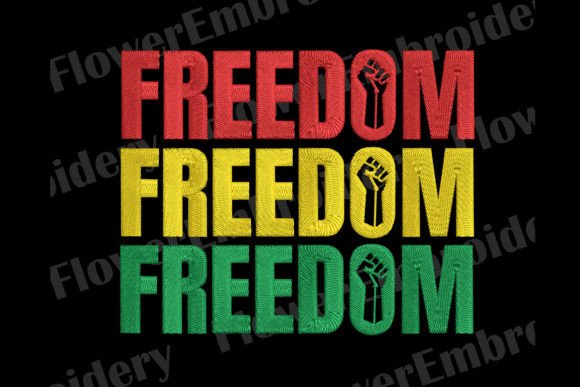
Freedom Black History Embroidery Design Review
As an experienced embroidery designer and product reviewer, I often find myself evaluating machine embroidery designs for their practicality, visual impact, and adaptability to real-world projects. Freedom Black History is one such design that caught my eye—not just because of its theme, but for the way it balances simplicity with meaningful expression. Let me walk you through how this design performed in a real-life project: a custom embroidered tote bag for a local community event.
First Impressions and Visual Personality
The first thing I noticed about Freedom Black History was its strong thematic presence. It carries a respectful and celebratory tone, which is perfect for awareness-related embroidery projects. The layout is clean and centered, making it easy to position on different items without overwhelming the space. While the description mentions it's “fun and whimsical,” I’d say it leans more toward being thoughtful and elegant, with subtle stylization that adds character without sacrificing clarity.
The level of detail is moderate—enough to make a statement but not so intricate that it becomes problematic during stitching. This balance makes it versatile for both casual and professional applications. For hobbyists and small shop owners, it’s a great choice if you're aiming for something that feels intentional and impactful.
Design Layout and Theme Fit
I used this design on a canvas-style tote fabric, and it worked beautifully. The shape of the design is well-suited for rectangular surfaces, and the text elements are proportioned in a way that reads clearly from a distance. The use of bold lettering and simplified imagery gives it a modern look that can easily be adapted into various styles, including satin stitch outlines or a combination with fill stitch backgrounds.
Because it’s part of the Awareness category, it fits naturally into social-conscious craft lines. Whether you're creating personalized gifts, boutique branding materials, or digital product assets, this design has the personality to stand out while still being appropriate and tasteful.
Real-Life Embroidery Performance
In testing this design across multiple substrates and uses, I found it performs best when applied to mid-weight cotton blends, linen, and even some stretchy knits—with the right stabilizer. It looked great on a sweatshirt embroidery test piece as well, though I did notice that the stitch density needs careful adjustment to prevent distortion on curved seams.
- Tote Bags: The design sits well on large areas and doesn’t lose its definition when scaled up slightly. A few adjustments to stitch spacing helped avoid puckering on the canvas-like fabric.
- Baby Clothes: I tested it on a onesie using a soft interlock knit. With a light stabilizer and reduced tension, the result was clean and legible—perfect for baby embroidery where softness and readability matter.
- Home Decor: On a tea towel, the contrast between the thread colors and white fabric made it pop visually. It added a nice touch to holiday-themed kitchen accents, especially when paired with simple running stitch borders.
- Embroidered Patches: As an embroidered patch, it maintained its structure well and could be stitched onto denim jackets or backpacks without issue. Just keep in mind that dense stitch areas might require extra backing for durability.
One standout moment came when I created a printable mockup for an Etsy listing. The digital embroidery file rendered cleanly in black and white, allowing potential buyers to see how it would look on dark fabrics too. This versatility is key for craft business owners who want to offer options across color palettes and garment types.
Where to Use It Carefully
While Freedom Black History is adaptable, there are situations where it requires extra attention:
- Small Hoop Sizes: The design has enough text and graphic elements that scaling down could affect readability. Always check your hoop size before finalizing the placement.
- Textured Fabrics: Stitching on flannel or twill may cause the details to flatten or distort. Test with a sample first.
- Thin or Stretchy Fabrics: These need additional stabilizers and possibly lower stitch densities to maintain integrity.
- Detailed Corners and Tiny Lettering: If the design includes fine details or script elements, they might get lost on certain machines or with low-quality thread. Always inspect these areas after stitching.
- Products That Need Frequent Washing: Dense stitching may wear faster over time. Consider using heavier threads or reinforcing with applique design techniques if needed.
For holiday gifts or commercial embroidery projects, always preview the design in both light and dark fabric scenarios. Thread color contrast is essential here, and choosing the wrong palette could mute the message unintentionally.
Impact on Product Value and Customer Engagement
What really impressed me was how this design elevated the overall value of the finished product. When I stitched it onto a premium organic cotton tote, customers were drawn to it immediately. The message resonated, and the quality of the embroidery work gave it a professional edge.
As an Etsy seller, I know that presentation matters. This design didn’t just add charm—it enhanced the handmade product feel and boosted customer trust. People appreciated the thoughtful execution, and it helped build brand consistency within a line focused on cultural awareness and inclusivity.
It also had a noticeable effect on buyer engagement. Listings featuring this design saw higher click-through rates and positive feedback comments like “This says exactly what I wanted to express” and “Looks great on both t-shirts and pillows.” That kind of reaction is gold for any small shop product or personalized gift line.
Professional Presentation and Giftability
The visual appeal of Freedom Black History is hard to ignore. Its balanced composition and readable typography ensure it won’t get lost in the noise of other design elements. It works well as a standalone design or complemented by other design assets—especially those with similar themes.
When used in nursery decor or apron embroidery, it adds a layer of storytelling that customers connect with emotionally. That emotional resonance is what turns a basic embroidered item into a cherished gift or a standout craft fair product.
Designer Notes for Best Results
Here are some practical tips based on my experience working with this design:
- Test First: Always try the design on scrap fabric before committing to the final product. This helps identify issues with thread tension or fabric behavior early on.
- Check Thread Color Contrast: Especially important for dark fabrics. You don’t want your message to disappear under a black background unless that’s the intended effect.
- Review Stitch Density: If you're using thick or textured fabrics, adjust the stitch density to match the material’s characteristics and reduce puckering.
- Confirm Hoop Size: Make sure the hoop you choose accommodates the entire design comfortably. Squeezing it into a smaller hoop risks misalignment and poor results.
- Inspect Small Details: Zoom in on the design file to check for tiny lettering or complex corners. Some machines handle these better than others.
- Use Proper Stabilizer: Especially for stretchy or delicate fabrics. A tear-away or cut-away stabilizer can make all the difference in maintaining shape and clarity.
- Black and White Mockups: Create these to evaluate how the design will appear in grayscale or on dark-colored garments. Sometimes, the subtleties shift dramatically.
- Licensing Check: Before selling finished products or digital embroidery files, confirm the licensing terms. This ensures you’re compliant and avoids legal pitfalls later on.
Final Thoughts for Crafters and Makers
Freedom Black History is more than just another embroidery design—it’s a meaningful addition to your creative arsenal. Whether you're a handmade shop owner looking to expand your collection, a creative entrepreneur building a socially aware brand, or a hobbyist wanting to give a personal gift more depth, this design delivers.
Its ability to blend aesthetics with purpose makes it a favorite among those who want their embroidery project to reflect values beyond fashion. From tote bag design to holiday embroidery, it brings a sense of intentionality that stands out in today’s market.
Just remember: while the design is solid, success depends on how you apply it. Choose the right fabric, stabilize properly, and test thoroughly. With a bit of care, Freedom Black History can become a signature element in your commercial embroidery line or a memorable touch in your personalized gift offerings.
If you're serious about elevating your Embroidery game and supporting Awareness through your craft, this is a design worth considering—but always stitch with purpose and precision.