Butterfly Line Embroidery Design Review for Small Business Merch
First Impressions: Friendly and Playful, But Is It Right for Your Brand?
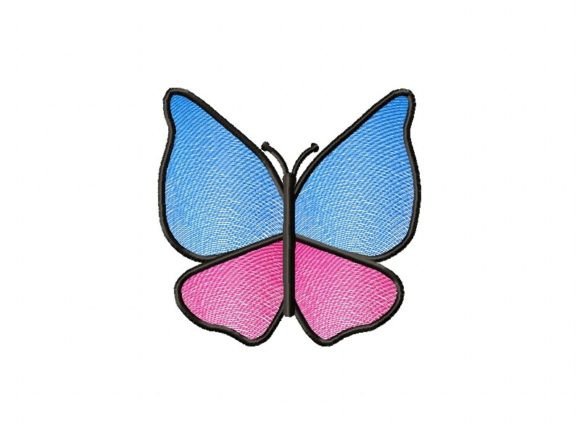
As an experienced embroidery designer, the first thing that stands out about Butterfly Line is its playful and friendly aesthetic. The design description emphasizes a “cute embroidery of Bugs Insects” which immediately suggests a whimsical and approachable visual style. While this could be perfect for certain small business branding goals, it’s important to evaluate how well the design aligns with your brand identity before committing it to production. The title and description hint at a handmade or artisanal feel, making it ideal for businesses like cafés, bakeries, boutique shops, and handmade brands. However, as a professional embroidery designer, I look beyond the charm and assess whether this design can serve a practical purpose in branded merchandise without compromising quality or professionalism.Real-World Applications of Butterfly Line in Business Use
Butterfly Line has broad potential across various embroidered products. Here are some key applications where it might shine:
- Embroidered Patches: This design could work well as a patch on tote bags, aprons, or even custom backpacks for children’s events or educational programs.
- Staff Uniforms: As a subtle chest logo accent, Butterfly Line brings a touch of personality without overwhelming the wearer. Especially effective in casual environments like cafés, pet stores, or craft boutiques.
- Apron Embroidery: For handmade shops or bakeries, adding Butterfly Line near the pocket area gives a charming, nature-inspired detail that feels authentic and creative.
- Cap Embroidery: When placed on the back of a cap or as a side panel design, the butterflies become a conversation starter—great for local event merch or seasonal promotions.
- Tote Bag Design: A small placement of this machine embroidery design can enhance a reusable tote bag with a unique and memorable touch, especially if paired with minimal text or logos.
- Product Packaging Accents: Consider using Butterfly Line subtly on fabric packaging tags or ribbon accents for a boutique-style finish that reinforces a premium, handmade presentation.
- Customer Gifts & Event Merch: Whether on personalized keychains, pins, or small gifts like mugs or notebooks, the playful vibe of Butterfly Line adds value and collectability.
- Etsy Branding & Craft Business Assets: Handmade product labels or printable mockups featuring this design help create visual consistency across listings, enhancing buyer engagement and perceived quality.
Its versatility makes it a strong contender for small business merch, but not all placements will yield equal results.
Where to Use Butterfly Line with Caution
While Butterfly Line offers a lot of charm, there are specific scenarios where you should tread carefully:- Small Patch Sizes: If your plan involves using this as a tiny embroidered patch (e.g., less than 3 inches), the intricate bug details may get lost or appear cluttered.
- Cap Fronts: Given the curved surface and limited space, placing Butterfly Line directly on the front of a cap might lead to distortion or reduced clarity unless properly scaled and adjusted.
- Curved Surfaces: The design may require additional tweaking when applied to items like sleeves, hats, or curved promotional gear to ensure even stitch coverage and avoid puckering.
- Tiny Lettering: If the design includes any lettering or symbols, keep in mind that smaller sizes may not render legibly, especially from a distance.
- High Stitch Density: Depending on the file, high-density stitching can affect durability and cause fabric stiffness, which may be undesirable for frequently worn uniforms or soft apparel.
- Textured Fabric: Textured materials like denim, canvas, or felt may obscure fine lines and details in the design. Always test on the actual fabric before mass production.
- Dark Uniforms: Thread color contrast becomes critical here. Without proper planning, the butterflies may blend into dark backgrounds, reducing their impact and readability.
- Frequent Washing: Items used daily, such as aprons or work shirts, need designs that maintain integrity over time. Check thread colors and stitch density for long-term performance.
Brand Identity and Customer Perception
When choosing an embroidery design like Butterfly Line, it's essential to consider how it affects your brand identity.
The butterflies suggest a light-hearted and eco-friendly vibe, which could resonate well with businesses focused on sustainability, creativity, or family-friendly services. That said, if your brand leans toward premium or corporate aesthetics, this design may come off as too casual or unrefined.
However, when used appropriately, Butterfly Line can contribute to customer trust by reinforcing a cohesive and thoughtful brand image. Its presence on custom apparel or branded patches signals attention to detail and a commitment to quality—a big plus for handmade product sellers and Etsy entrepreneurs looking to stand out in a competitive market.
Professional Embroidery Designer Tips for Using Butterfly Line
- Test in Black and White First: Before finalizing thread colors, convert the design to grayscale to assess visibility and contrast on different fabrics.
- Check Small-Scale Performance: Try stitching it at a smaller size to see how well the bugs hold up without becoming pixelated or distorted.
- Review Thread Color Contrast: Select thread colors that complement your brand palette and stand out against the base fabric. Dark threads on light fabrics often provide the clearest definition.
- Inspect Spacing and Layout: Ensure that the design doesn’t have unnecessary gaps or overlaps that could cause stitching issues or uneven appearance.
- Confirm Hoop Size: Since hoop size wasn't specified in the product description, always check the recommended dimensions for your embroidery machine to avoid misalignment or stretching.
- Test on Real Fabric: Don’t rely solely on digital previews. Stitch it onto the exact material you’ll use in production to see how it behaves under pressure and after washing.
- Use Proper Stabilizer: To prevent shifting or puckering, especially on stretchy or thin fabrics, choose a stabilizer suited to the design's complexity and fabric type.
- Create a Mockup for Client Approval: Provide a printable mockup showing how the design looks on a finished product—this builds confidence and ensures client satisfaction.
- Compare Beside Other Design Assets: See how Butterfly Line works alongside your existing logos or other design assets to maintain visual consistency across your branding efforts.
- Confirm Commercial Licensing: Since licensing terms weren’t included, verify with the seller that the digital embroidery file allows for commercial use, including staff uniforms and retail merchandise.